Helping the UAE grow more trees with less water, and prove it with data.
Talk to usScientific partner: Forest Research Institute (FRI), Dehradun, India
Where things stand
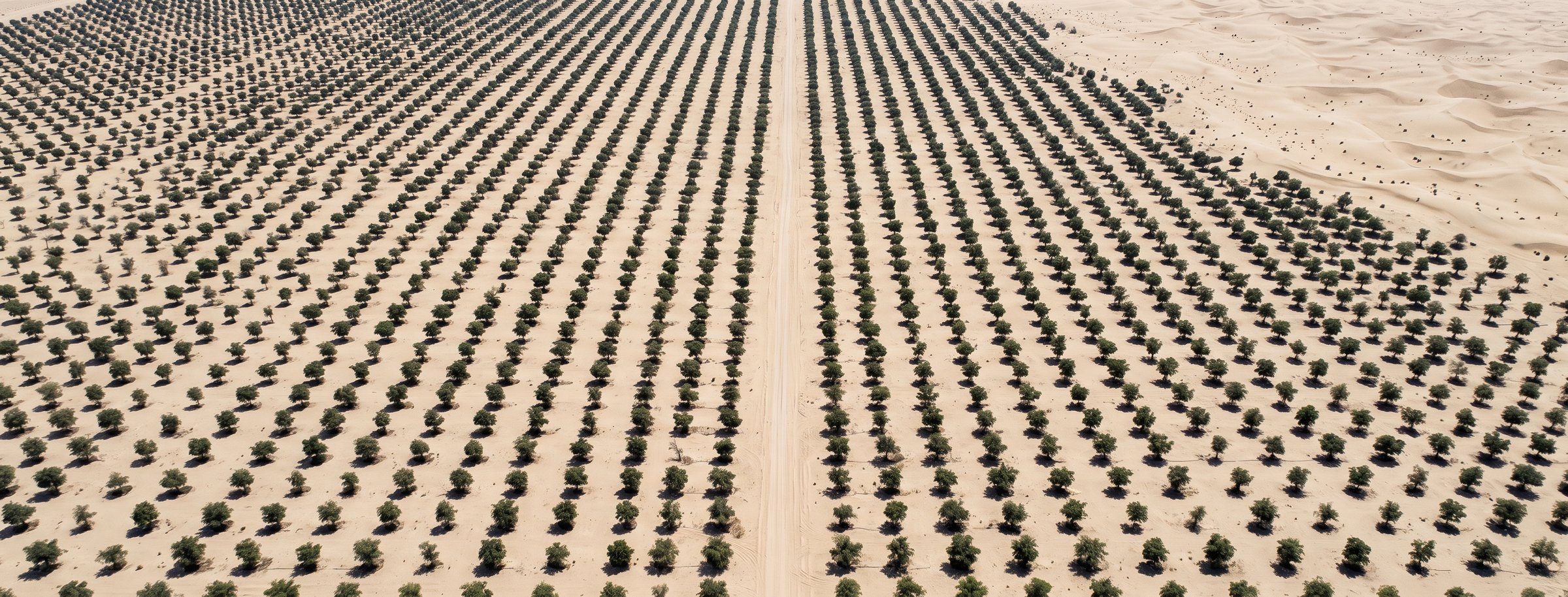
Few countries have grown forests in a hyper-arid climate. The UAE has, at scale. Our role is to help extend that success with less water, using forestry science and AI.

Grow trees in the desert on the least water possible, and prove it.
Technology
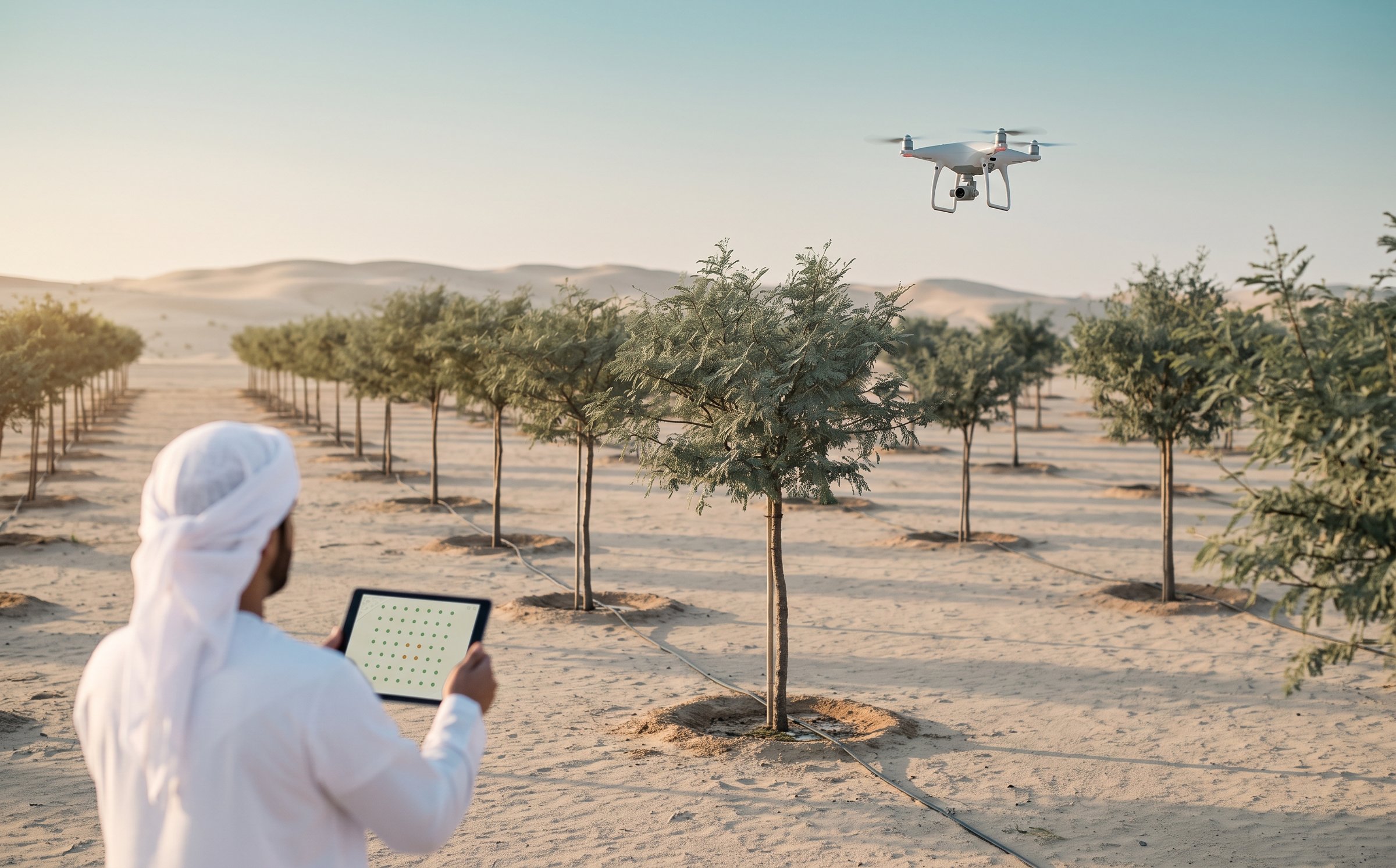
Live data from the field, read by AI, used by foresters. People stay in charge of every decision.

Drone and satellite imagery. The system counts trees, spots those that need attention and measures growth. One model can review 200,000 trees a day.
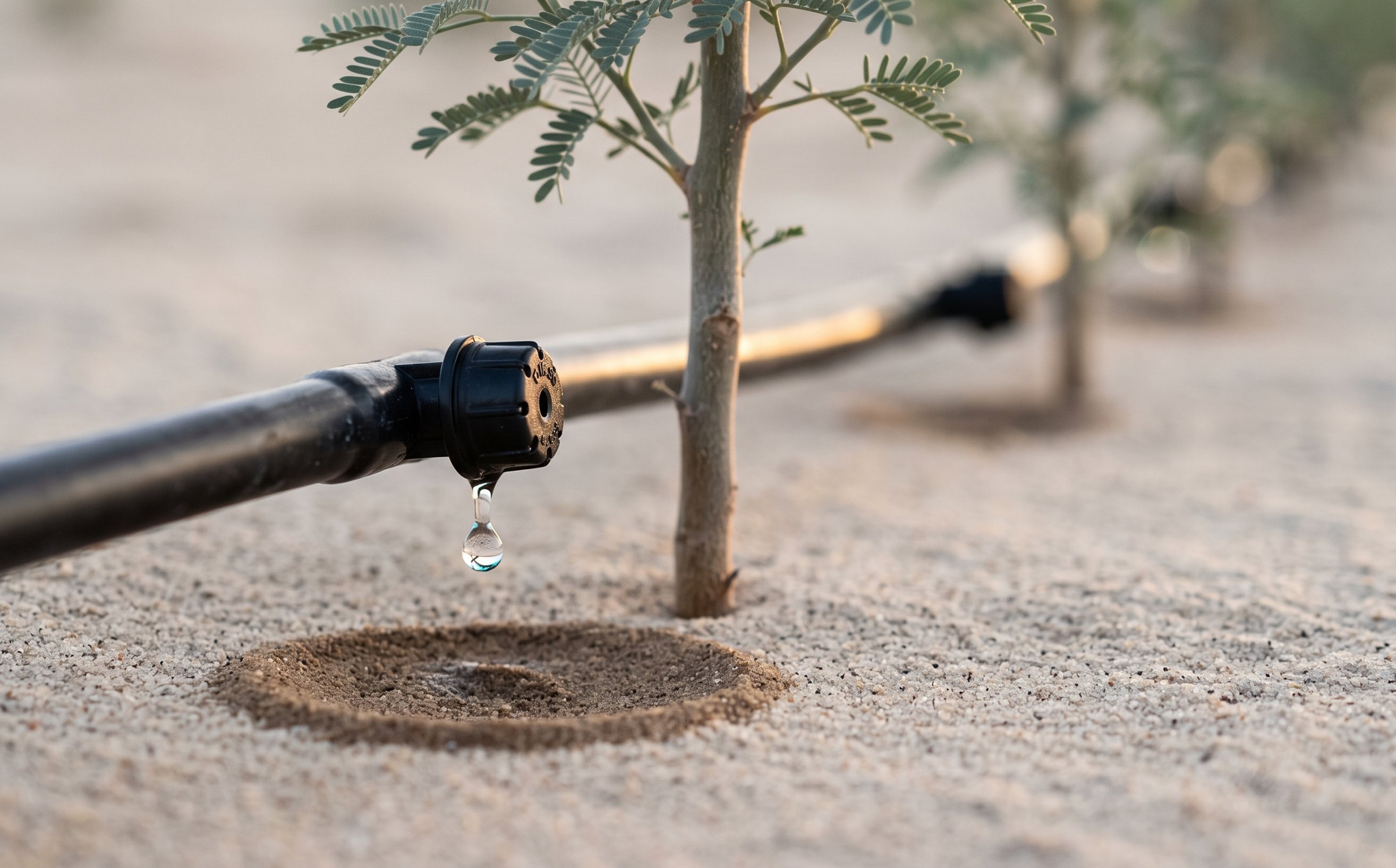
Learns how each block of trees responds to water, soil salinity and weather, and sets irrigation daily instead of on a fixed timer. Target: 20–40% less water, same survival.
Which species thrive on which soil and water, answered from data before a tree goes in the ground. Built from the pilot dataset.
Every tree the UAE plants makes the system smarter.
Science first
Forestry science from India's national forestry institute; AI, data and operations from EHCA. UAE research and irrigation partners will be added for Gulf soil and water conditions.

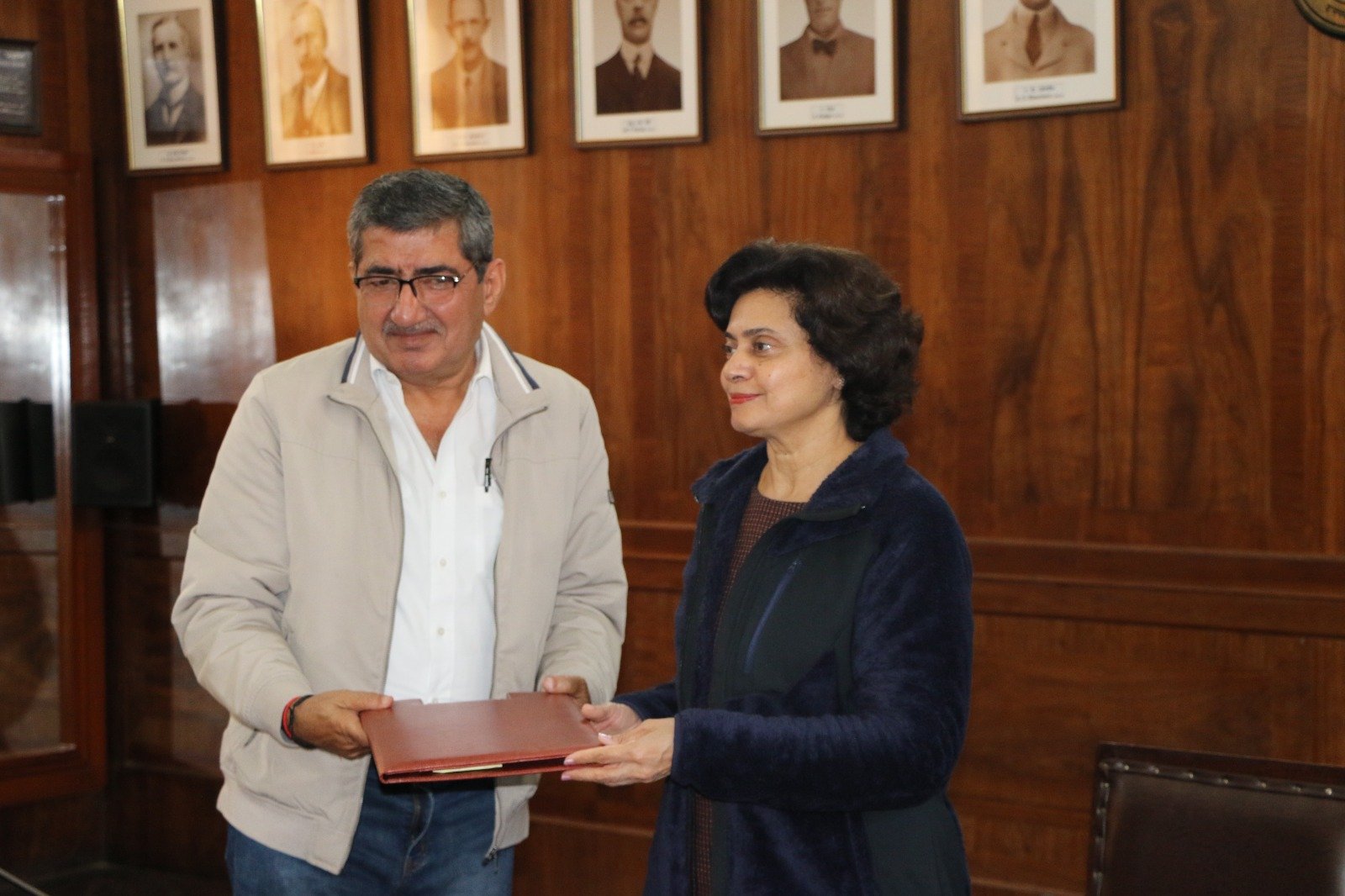
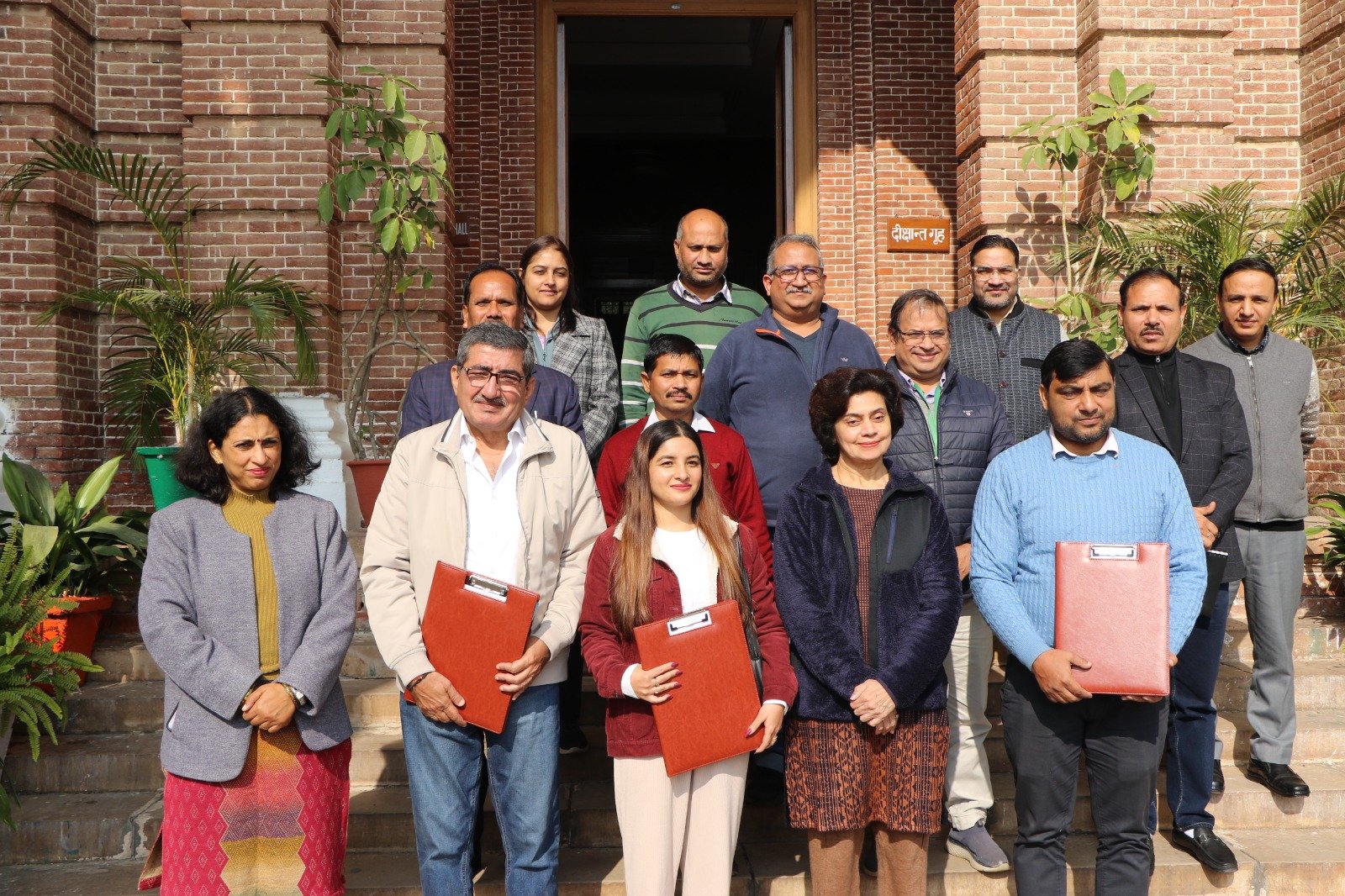
Forestry science. 120+ years of forestry research. Species selection, trial design, nursery methods for desert survival, and scientific validation of results. FRI has licensed EHCA to propagate and supply its improved planting varieties in India under a License Agreement dated 9 December 2024. Extension of the relationship to UAE work has been applied for and is under process.
AI and operations. The monitoring and irrigation platform, sensors and drones, day-to-day pilot operations, customers and reporting.
On the record
"The FRI Dehradun on 9.12.24 signed License Agreement for commercial multiplication of released varieties of Melia dubia (Malabar Neem) and Neem with three firms viz. M/s Eco Harvest Carbon Alliance, Kanpur (UP)..."
Forest Research Institute, Dehradun, on X, 9 December 2024
Coverage in News9, 10 December 2024 · FRI's announcement on X

The plan
Every tree, every litre of water and every measurement recorded from day one.

2–4 hectares on an existing farm. Five to six species tested side by side, native first. Recycled water, fully metered.
Under one hectare inside a live greening project. Same sensors, same AI, on trees already being planted.
Survival by species. Water per unit of growth. AI accuracy against field measurement. A prediction model for new sites.
No species is promised in advance. We test, measure and let the data choose.
Wood and biomass
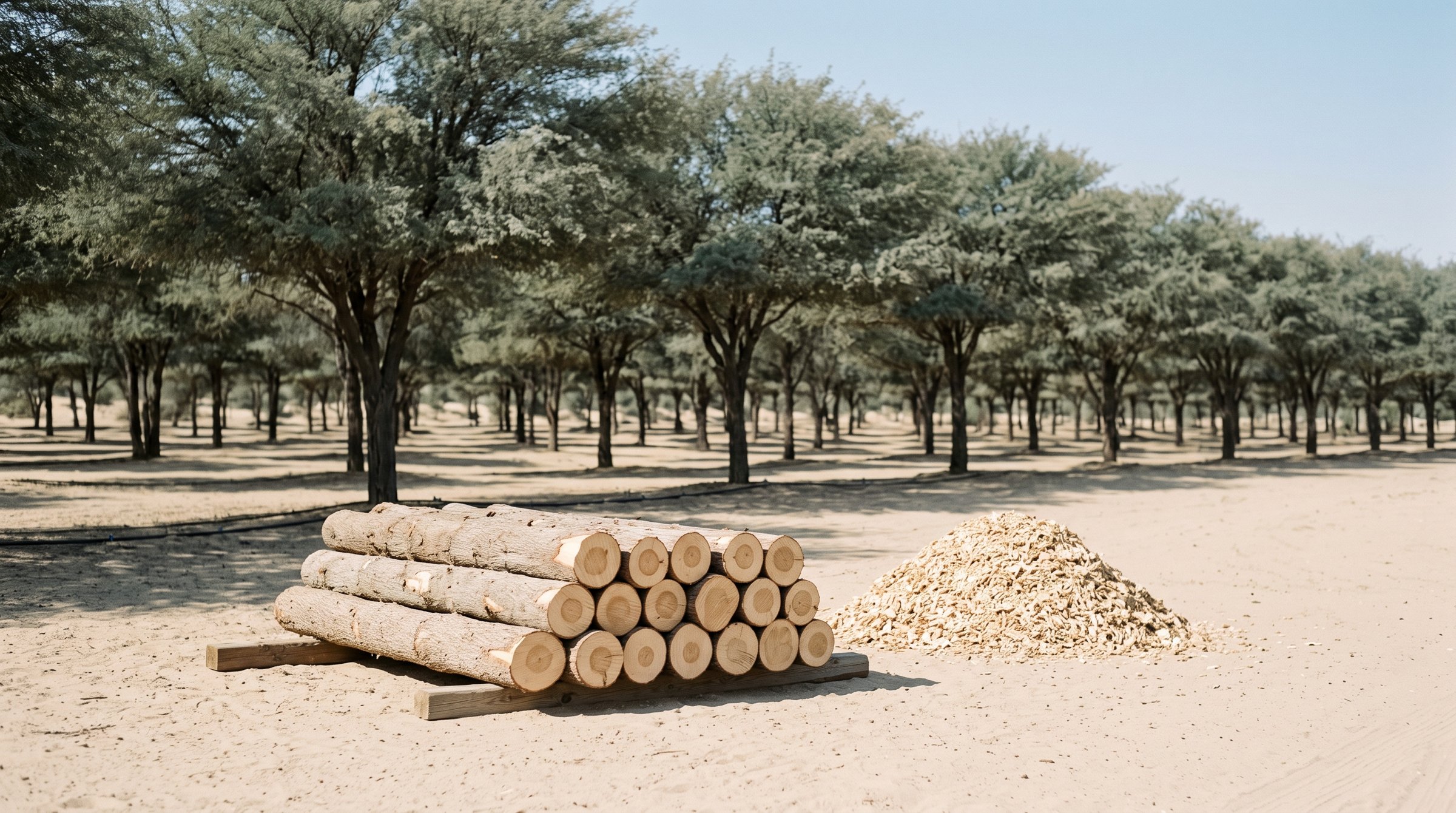
The UAE imports around USD 2.5 billion of wood every year. None of it is grown locally. Trees planted for greening, shade and carbon are thinned and replaced over their lifetime, and that wood is not used today.

The pilot tests commercial-wood candidates alongside native species, on equal terms. A species is kept only where survival and water use justify it.
The trees are planted and watered for greening in any case. Wood and biomass from thinning and replacement come at no additional water cost.
Plywood, MDF, furniture and biomass producers in the UAE currently rely entirely on imports. A traceable local supply, however small, is new.
Greening is the business. Timber is the bonus.